


€0,00
Royal Delft
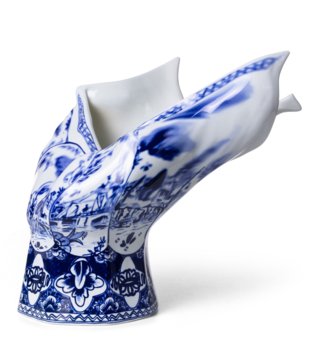
Royal Delft Blow Away Vase
The Blow Away Vase is a classic vase that has experienced something extraordinary… it has been blown aside by a powerful gust of wind.
€855,00
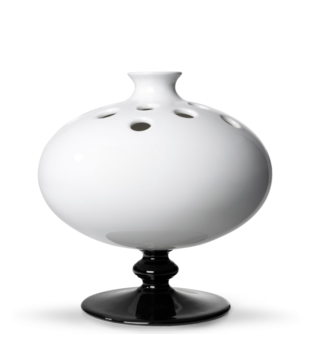
Royal Delft, Delft Blue Vase Model 12
This round vase with holes was designed by Marcel Wanders and is part of the Moooi x Royal Delft collection
€775,00

Royal Delft Delft Blue Model 11
This tall vase with the golden eggs was designed by Marcel Wanders and is part of the Moooi x Royal Delft collection
€775,00
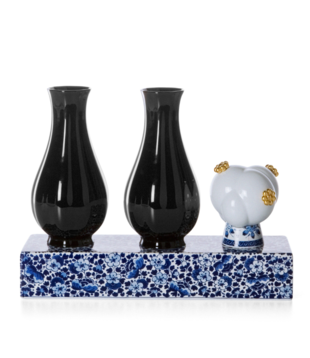
Royal Delft Delft Blue Model 10
This vase combination was designed by Marcel Wanders and is part of the Moooi x Royal Delft collection
€1.070,00
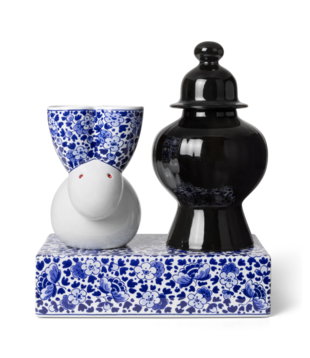
Royal Delft Delft Blue Model 9
This vase combination was designed by Marcel Wanders and is part of the Moooi x Royal Delft collection
€965,00
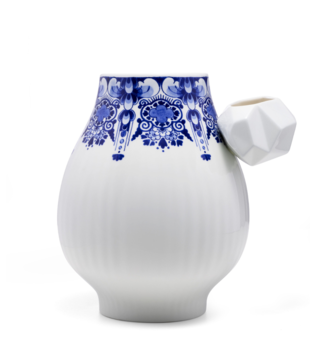
Royal Delft Delft Blue Model 8
This vase with diamant was designed by Marcel Wanders and is part of the Moooi x Royal Delft collection
€480,00
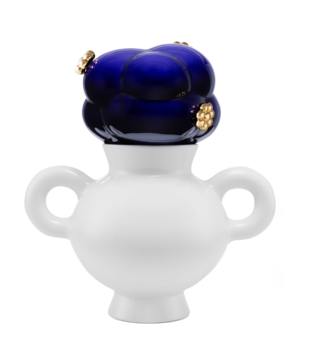
Royal Delft Delft Blue Model 7
This vase with the ears and the lid was designed by Marcel Wanders and is part of the Moooi x Royal Delft collection
€565,00
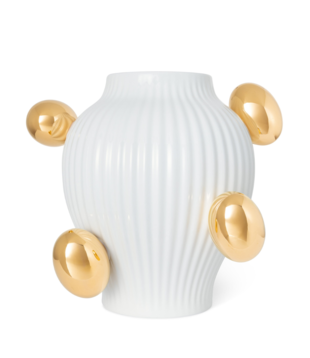
Royal Delft Delft Blue Model 6
This ribbed vase with the golden eggs was designed by Marcel Wanders and is part of the Moooi x Royal Delft collection
€645,00
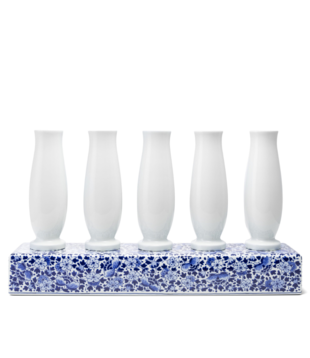
Royal Delft Delft Blue Model 5
This vase with the 5 tuiten was designed by Marcel Wanders and is part of the Moooi x Royal Delft collection
€910,00

Royal Delft Delft Blue Model 4
This vase with the 3 tuiten was designed by Marcel Wanders and is part of the Moooi x Royal Delft collection
€570,00
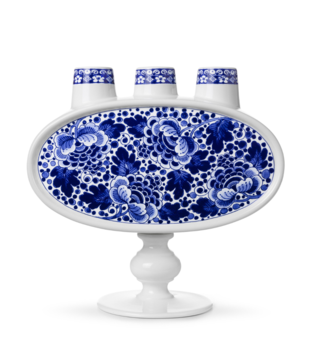
Royal Delft Delft Blue Model 3
This vase with the 3 tuiten was designed by Marcel Wanders and is part of the Moooi x Royal Delft collection
€570,00
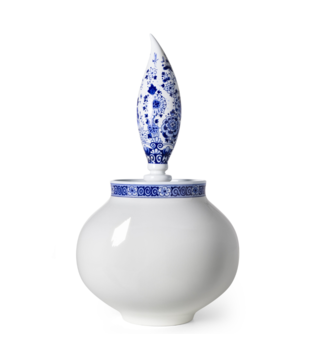
Royal Delft Delft Blue Model 2
This vase with the flame was designed by Marcel Wanders and is part of the Moooi x Royal Delft collection
€695,00
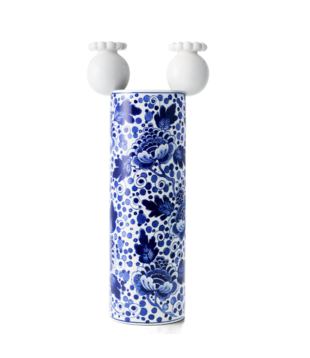
Royal Delft Delft Blue Model 1
This vase with crowns was designed by Marcel Wanders and is part of the Moooi x Royal Delft collection
€645,00
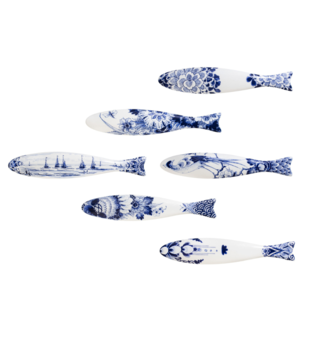
Royal Delft Blue Herring set 6 herring
With the Blue Herring, the designers of Royal Delft, in collaboration with the Dutch design duo Koens & Middelkoop, pay tribute to two iconic Dutch traditions: herring and Delft Blue.
€237,50
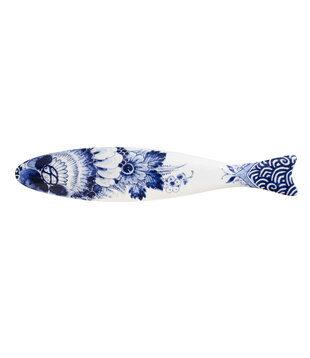
Royal DelftBlue Herring Flower scales
With the Blue Herring, the designers of Royal Delft, in collaboration with the Dutch design duo Koens & Middelkoop, pay tribute to two iconic Dutch traditions: herring and Delft Blue.
€39,95
Royal Delft Porcelain Fles.
Royal Delft, founded in 1653, is the last remaining pottery factory from the 17th-century heyday when Delft boasted more than thirty potteries. The iconic brand, known worldwide for Delft Blue, has combined artisanal tradition with innovation since its inception and remains the symbol of Dutch ceramic craftsmanship to this day.
In the 16th century, Dutch potters were introduced to colorful, hand-painted pottery from Italy. Around 1600, the import of Chinese porcelain via the Dutch East India Company (VOC) marked a turning point: the enormous popularity of blue-and-white decorative porcelain inspired Delft artisans to develop their own technique. By experimenting with clay and glaze, a unique product emerged that would become internationally known as Delft Blue.
In 1653, De Porceleyne Fles was founded by David Anthonisz van der Pieth. Under owners Wouter van Eenhoorn and Quirinus van Kleijnoven, the company grew into a leading producer. In 1697, Johannes Knotter introduced the famous bottle as a brand mark – a signature still used today.
After a period of decline in the 19th century, engineer Joost Thooft revived the brand in 1876. By using sturdier English pottery and modern production techniques, he restored quality to an international level. Together with Abel Labouchere, he introduced the recognizable monogram "JT Delft," the ultimate proof of authenticity.
In 1919, the company received the Royal designation, a recognition of its cultural and artisanal significance.
Today, Royal Delft is the only remaining Delftware factory and a global icon of Holland's finest ceramic tradition.
With over 370 years of history, Royal Delft remains true to the art of hand-painted pottery while continuing to innovate for new generations of enthusiasts worldwide.


© Copyright 2026 - NORDIC NEW | Realisatie InStijl Media